
The Difference Between an Auto Body Shop and a Mechanic Shop
Many vehicle owners use the terms “auto body shop” and “mechanic shop” interchangeably, but these two types of facilities are actually quite different. Each one serves a distinct purpose and employs specialists with very different areas of expertise. Knowing the difference helps you choose the right shop for your specific situation and ensures your vehicle gets the exact care it needs.
The Difference Between a Mechanic and an Auto Body Shop
Here is a clear and friendly breakdown of what sets an auto body shop Waterford and mechanic apart.
What an Auto Body Shop Does
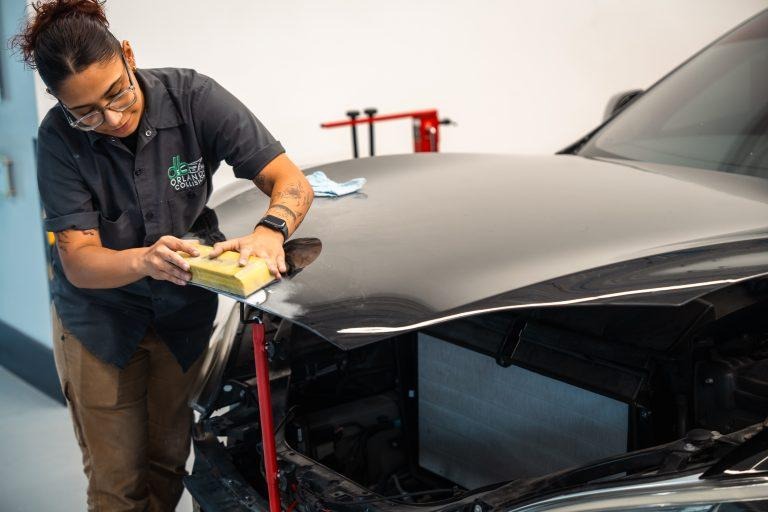
An auto body shop specializes in repairing the exterior and structural components of a vehicle that have been damaged in a collision or accident. Body shop technicians focus on restoring damaged panels, bumpers, and frames, as well as repairing or replacing glass and refinishing paint. These shops also handle structural repairs, ensuring that a vehicle’s frame returns to factory specifications after impact. Essentially, auto body shops bring vehicles back to their original appearance and structural integrity following physical damage.
What a Mechanic Shop Does
A mechanic shop, on the other hand, focuses on a vehicle’s mechanical and internal systems. Mechanics diagnose and repair issues related to engines, transmissions, brakes, suspension, exhaust systems, and other components that keep a vehicle running properly. People typically visit a mechanic shop for routine maintenance like oil changes and tire rotations, as well as for mechanical failures that affect how a vehicle performs. In short, mechanic shops keep vehicles running, while auto body shops keep vehicles looking and sitting structurally sound.
Different Training and Certifications
The technicians at each type of shop undergo very different training and earn different certifications. Auto body technicians often pursue certifications through programs like I-CAR, which focus on collision repair techniques, structural restoration, and refinishing. Mechanics, meanwhile, commonly earn ASE certifications that cover areas like engine performance, electrical systems, and drivetrain repair. Because each field requires a distinct skill set, the professionals at these two shops bring very specialized knowledge to their respective areas of work.
Different Equipment and Tools
Beyond training, auto body shops and mechanic shops also rely on very different equipment. Auto body shops invest in frame measuring and straightening systems, paint mixing and spraying equipment, and dent repair tools. Mechanic shops, meanwhile, use diagnostic scanners, lifts, engine analyzers, and brake lathes to service a vehicle’s mechanical components. Although both shops may use some overlapping basic tools, the specialized equipment at each facility reflects the entirely different nature of the work being performed.
When You Need Both Shops After a Collision
Interestingly, a serious collision sometimes requires the expertise of both an auto body shop and a mechanic shop. A collision can damage not only a vehicle’s exterior but also its mechanical systems, such as the steering, suspension, or cooling components. In these situations, the auto body shop handles the structural and cosmetic repairs while a mechanic shop addresses any underlying mechanical damage. Fortunately, many full-service collision centers offer both capabilities under one roof, making the process more convenient for vehicle owners.
Conclusion: The Difference Between a Mechanic and an Auto Body Shop
Understanding the difference between an auto body shop and a mechanic shop empowers you to make the right choice when your vehicle needs attention. Auto body shops restore your vehicle’s appearance and structure, while mechanic shops keep its internal systems running smoothly. Knowing which type of facility to visit saves you valuable time and ensures your car receives exactly the specialized care it deserves every single time.
Recent Comments